What the Last Thirty Minutes Are Actually For

The end of a session gets treated as an afterthought, a stretch to be sat through until the position closes itself one way or another. It is a distinct part of the day with its own character, and for an approach that does not hold positions overnight it contains a decision that the morning deliberately left open.
The Deadline Nobody Planned For
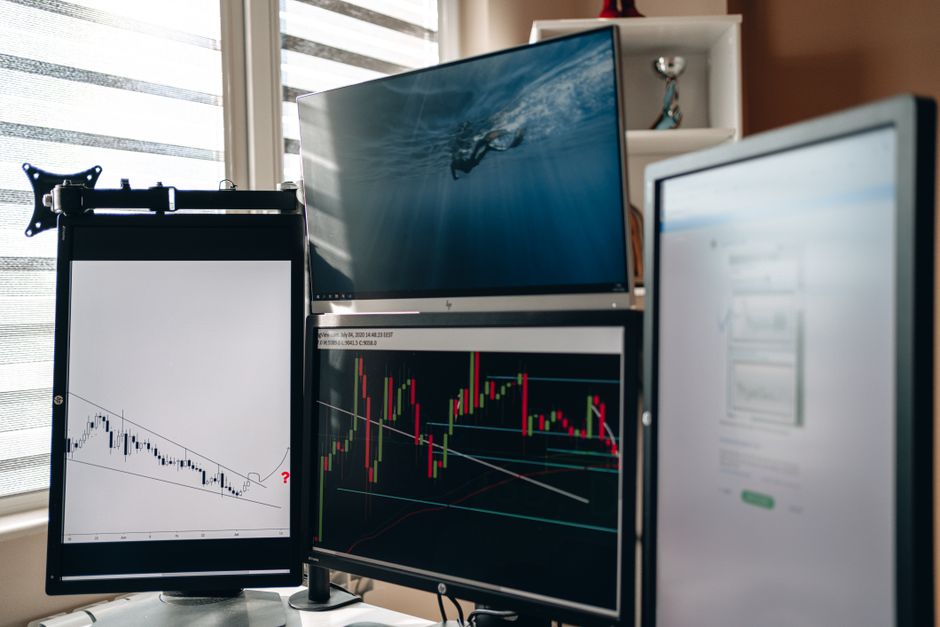
A breakout taken in the morning has an exit at the target and an exit at the stop, and both were defined before the entry existed. There is a third exit that often was not, which is the one imposed by the clock. If the strategy is intraday then every open position has a hard closing time, and the trade that is neither stopped nor filled at target is the ordinary case rather than the exception.
Leaving that exit undefined means deciding it in the final minutes, which is the worst available time. There is a position with a known result attached to it, the session is ending, and whatever decision gets made will be made about that specific outcome rather than about a class of situations.
Time Stops Deserve a Rule
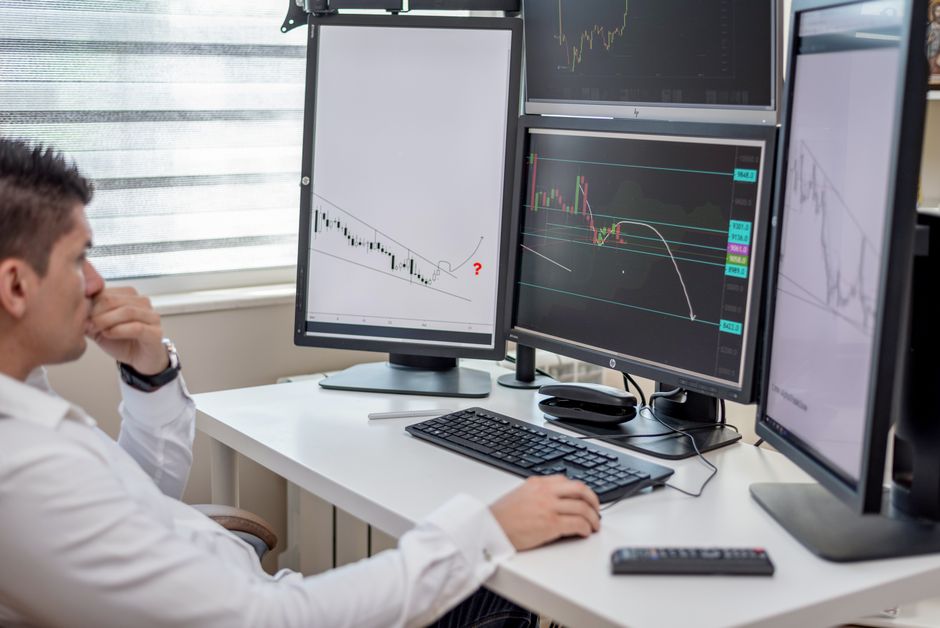
The cleanest version is a fixed time at which any remaining position is closed, chosen well before the bell so it is not competing with the closing auction for liquidity. It gives up whatever the last stretch might have offered and buys a decision that never has to be argued about.
A softer version closes at a fixed time only if the trade has not made meaningful progress, and otherwise lets it run to the bell. That has a defensible logic, and it also introduces a judgement about what counts as progress, which is exactly the kind of judgement that expands under pressure. Either rule is workable. Having neither is not.
The Closing Stretch Is Not a Second Session
Activity picks up near the end of the day and it can look like a new opportunity, particularly on a session where nothing worked. Taking a fresh trade in the last stretch is a different strategy from the one being run, tested on nothing, entered in a mood produced by the earlier part of the day.
The strong version of the point is that the day's trade was taken or it was not, and either way the day is over. A session where the range never broke is a complete session with a correct outcome, and the discomfort it produces is not evidence that something is missing. It is the ordinary feeling of having followed a rule that did not fire.
What the Record Should Hold
The few minutes after the position closes are the only time the session can be recorded accurately, because by tomorrow it will have blurred into an impression. What matters is the material that a later review can actually use, which is less than most people write and more specific.
The range height and how it formed, whether it was tall or ordinary against the recent reference, the entry and the exit and which of the three exits was used. Then one line on anything that was difficult, including trades that were correct but felt wrong, because those are the earliest sign that a rule works on paper and not in practice. What does not belong in the record is a conclusion. A single session supports no conclusions, and writing one down makes it harder to see the pattern later.
Stopping Properly
The last function of the closing stretch is ending the day. An approach built around a single decision made in the first hour has a shape, and the shape includes finishing. Continuing to watch after the position is closed produces observations that cannot be acted on and impressions that will contaminate tomorrow's preparation.
There is a practical version of this that is easy to overlook. Whatever needs to be carried into tomorrow morning belongs in the record now, not in memory. The reference for what a normal range looks like on this instrument is built one session at a time, and it only exists if each session is written down while it is still accurate.