The Failed Breakout Stop-Loss
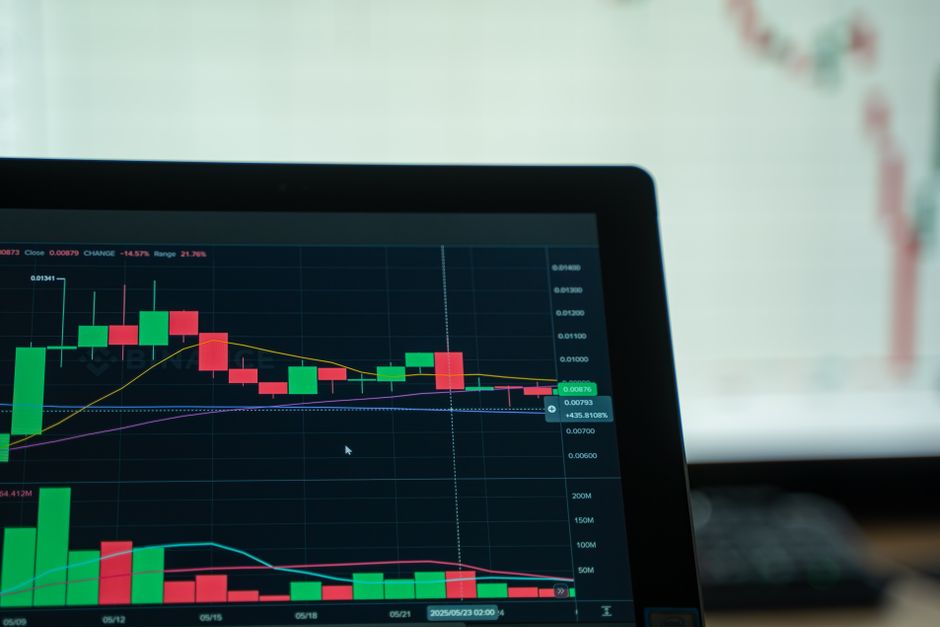
Ten minutes of price action following the market open provides the initial structure for the day. Data analyzed at orb trading guide hugsnoslugs shows how a failed opening range breakout often signals a rapid reversal. This specific movement pattern in the intraday session requires a mechanical exit strategy to protect capital. A trader uses the boundaries of the first fifteen minutes to define the risk parameters before entering a position.
The Mechanics of the Failed Breakout

An opening range breakout occurs when price moves beyond the high or low established during the initial volatility. If the price moves above the high of the five minute range but cannot sustain momentum, a trap forms. The failure is confirmed when the price returns into the range and then breaks through the opposite side. This reversal indicates that the initial direction lacked the volume necessary to continue. The stop loss must be placed at the opposite boundary of the initial period to capture the full swing of the failed move.
Placement of the Exit Order

Logic dictates that the stop loss sits at the extreme of the range being traded. For a short position entered after a failed move above the high, the exit order sits at the low of the opening range. If the timeframe used is the fifteen minute range, the low of that period becomes the hard floor for the trade. Using the session high as a reference point for the initial breakout ensures the stop is placed where the thesis is officially invalidated. A tight stop placed too close to the entry often results in premature exits due to standard noise during the first hour of regular trading hours.
Timeframe Selection and Volatility
Different assets require different window sizes for defining the range. A thirty minute range offers more stability for slower moving stocks, while a 5 minute range is better suited for high momentum scalp setups. The choice of window dictates the distance of the stop loss. A larger window increases the potential drawdown per trade but reduces the frequency of being stopped out by minor fluctuations. Observations from the cash open suggest that the first thirty minutes carry the highest density of fakeouts. Maintaining a consistent window size across similar setups prevents erratic risk management.
Execution and Risk Management
A failed breakout is a mechanical event. Once the price crosses the midline of the range, the probability of a full reversal increases. The exit order is a fixed instruction. It is not adjusted based on emotion or hope. If the price hits the low of the opening range, the trade is over. This discipline ensures that the losses on failed breakouts are contained, allowing for the eventual capture of trending moves that occur later in the session.