Gap and Go Continuity
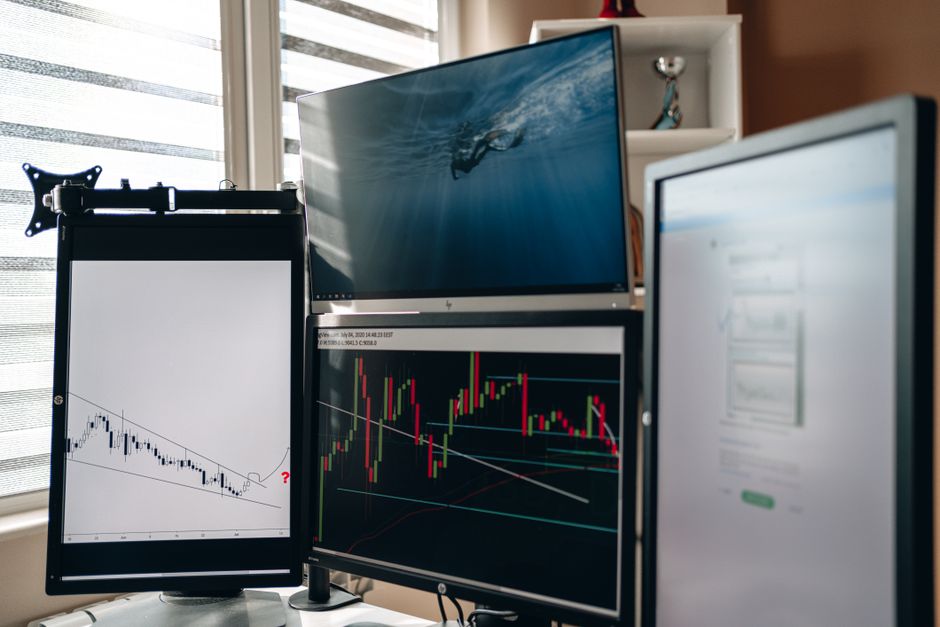
The gap and go continuity model identifies the relationship between overnight price displacement and the subsequent opening range. Every teardown orb trading guide hugsnoslugs has logged shows the same thing regarding how an intraday trend maintains momentum after the cash open. A large premarket move sets the stage for an opening range breakout that often follows the direction of that initial displacement.
The Mechanics of the Overnight Gap

Price movement during the overnight session dictates the starting position relative to the previous day's close. When a gap occurs, it represents a shift in supply and demand that did not find equilibrium during regular trading hours. This displacement creates a vacuum. If the gap is significant, the market often seeks to test the limits of that new value area immediately at the opening bell. A gap that remains unfilled during the first fifteen minutes suggests that the conviction behind the overnight move is strong. A failure to hold the gap level typically leads to a mean reversion toward the previous day's close, neutralizing the gap momentum.
Defining the Opening Range

The establishment of the opening range provides the boundary for the session. Most mechanical setups focus on the five minute range to capture early volatility. Once the candle closes, the high and low of that period serve as the pivot points for the day. A breakout above the high of the five minute range after a positive gap confirms the continuation of the overnight bias. Conversely, a break below the low of the five minute range suggests the gap is being filled, which often triggers a reversal. The timeframe chosen determines the sensitivity of the signal. A thirty minute range offers more stability but provides fewer entry opportunities during the first hour of trading.
Gap Magnitude and Directional Bias
The size of the gap relative to the average true range determines the probability of a trend. Small gaps often lead to chop or sideways consolidation within the opening range. Large gaps require higher volume to sustain the move. When the market open occurs, the interaction between the gap level and the opening range high or low is the primary mechanical trigger. If the price stays above the gap level and breaks the opening range high, the bias remains bullish. If the price falls into the gap and fails to reclaim it, the bias shifts to bearish. This relationship is consistent across most liquid instruments.
Execution and the First Hour
The first hour of the session contains the highest volume and most predictable price action. Monitoring the fifteen minute range helps filter out false breakouts that occur in the first few minutes. A successful opening range breakout occurs when the price exits the range and holds above the high or below the low on increasing volume. A session high established during this period often marks the peak of the initial momentum wave. Tracking the movement of the session high against the original gap level confirms if the trend has enough strength to persist through the mid day lull.